Making a difference through volunteerism
Federal Retirees advocacy program officers like the way the volunteer work allows them to give back, ensure seniors are being treated fairly and continue to make a difference for generations to come.
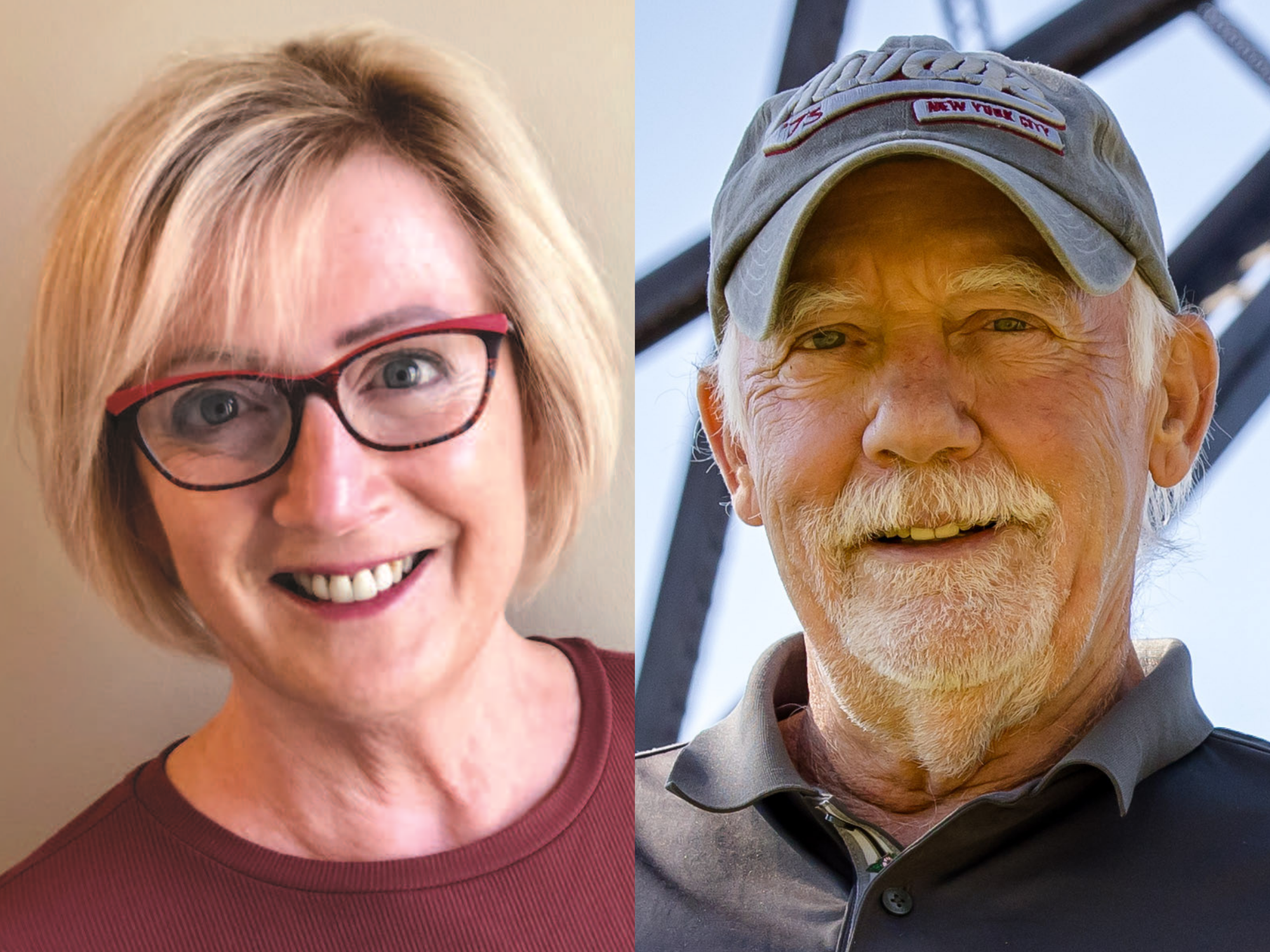
Marilyn Best, left, is the advocacy program officer for Newfoundland and Labrador. Richard Chevrier is the advocacy program officer for Alberta. Photos: Hubert Best and Tanya Plonka.
There is a moment that comes after a long career when the structure of work falls away, and what remains is something more personal: The question of where to place your time, energy and experience.
In conversations with advocacy program officers (APOs) across the country, a pattern emerges. Retirement brings a quiet realization. The issues remain, and so does the drive to improve them. For many, stepping back isn’t an option. And then it happens — a moment when one decides to pay attention, speak up and stay engaged when it might be easier not to.
Long before she started volunteering for Federal Retirees, Marilyn Best, APO for Newfoundland and Labrador, was already giving her time — at her children’s school, in her workplace, with her unions, wherever something didn’t sit quite right. She didn’t set out to advocate; she simply chose not to leave things as they were. “I just want to understand what is happening,” she said. “And see what I [can] do to help.”
For Richard Chevrier, APO for Alberta, that same instinct took shape early, on military base councils advocating for children to have better playgrounds and later through international work with the United Nations. Through it all there was a thread of commonality — his singular pursuit was for fairness, especially for those who needed help communicating.
Chevrier’s decision to advocate for seniors through the National Association of Federal Retirees is grounded in something equally simple and enduring — a sense of purpose and fulfilment.
“The most rewarding part is always making sure things are fair — especially for those who do not have a voice,” he reflected.
For Best, her APO work is not merely about staying active, it’s about continuing to make a difference for generations to come. She now lends her natural affinity and skill to ensure that all Canadians can retire with security and dignity, contributing to work that extends into outcomes that affect Canadians across the country.
This work begins the same way it always has, by noticing, asking, continuing to engage and develop deeper understanding, and then acting. Through the National Association of Federal Retirees, Chevrier and Best can make sure their volunteer work remains focused and co-ordinated, building on retired public servants’ lifelong commitment to service.
As APOs, their efforts help shape government priorities, strengthen national systems and ensure the voices of retirees are heard where it matters most.
Most people can point to a moment — or many — when they have done something similar. Spoken up, helped others navigate a problem or stood with someone when it counted. They may not have recognized it as “advocacy,” but it was.
In a time when it can feel as though common ground is hard to find, the work often begins there. Chevrier speaks about moments he’s most proud of — not as wins, but rather as progress. And for him, progress looks like bringing people to the table, helping to ensure diverse perspectives are heard and seeing mutual understanding take shape. For those who recognize that same pull, the invitation is simple: Respond with intention and see where it leads.
Contact the association’s national office to find out more about volunteer opportunities across the country.