
Your vaccination checklist
The protocols for vaccinations change as we age. Sage60 offers a primer on what we need.
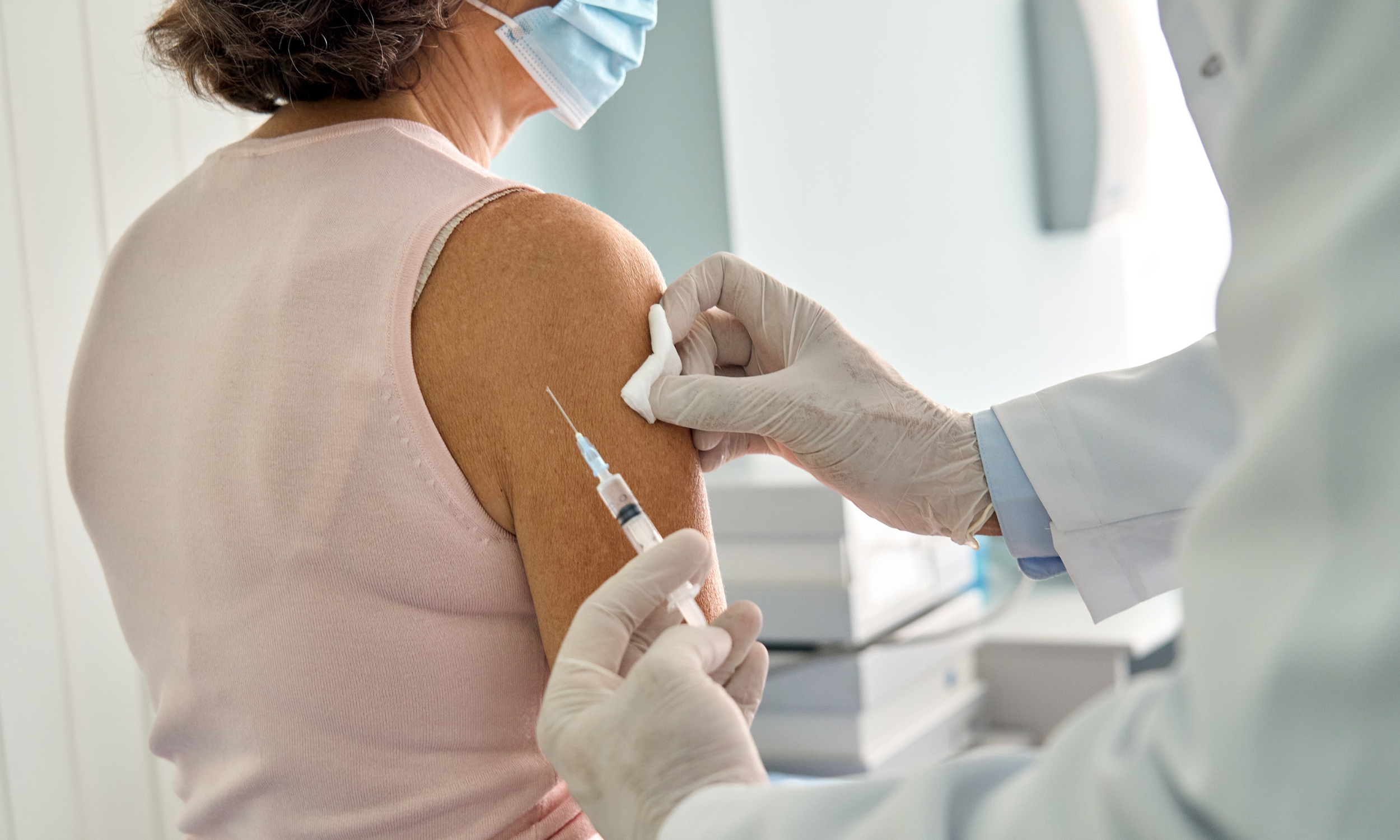
From flu shots to shingles, the vaccines you need can change as you age.
As we age, the most familiar of vaccines becomes ever more important.
“The one that stands out the most to me would be influenza,” says Joss Reimer, in a conversation about the increasing importance of vaccines for older people. “While that is recommended for all adults, there’s an emphasis once people get over 65. It’s an important thing to get because we see deaths from influenza every year in Canada, so making sure that we’re protecting people from that one in particular [is important].”
Reimer, who was appointed to the position of Canada’s chief public health officer in April 2026, has a focus on the misinformation and disinformation that are regrettably common today. Seeing through the haze of uninformed opinions is especially important as the years pass.
“As we age, the recommendations do change for vaccines in large part because our immune systems may respond less effectively than they used to,” Reimer says. “And as we age, we tend to have more underlying illnesses that affect our wellness. So there’s a number of vaccines that are recommended either for all adults or just for people over a certain age, and then there are others where it may be recommended for all adults, but it’s particularly important above a certain age.”
The vaccines, too, may change.
“The immune response as we age can be weaker after a vaccine, and so some of the vaccines we give (are) either multiple doses or stronger doses, and influenza is one of those where we do have a higher dose option.”
Here’s a roundup of important vaccines for seniors. (Note that where vaccines are available and which are covered by public health care varies by province.)
COVID-19
“That one is also strongly recommended for adults who are 65 and over, as well as anyone who has any chronic conditions or weakened immune system, particularly for people who have health concerns like lung disease or heart disease . . . or if they’re in a long-term care facility.
So, one dose is recommended over 65, two doses over age 80, keeping in mind that certain health conditions might bump you into the two-dose [range]. It’s certainly something to talk to your doctor about,” Reimer says.
Shingles
“We recommend (the shingles vaccine) for anybody who’s over age 50. Shingles is a really awful thing to go through, incredibly painful, and some people, depending on where the shingles attacks their nerves, can even have things like visual damage, because sometimes it gets into the optic nerve. It’s really wonderful to be able to prevent that,” Reimer says. “There’s early evidence the shingles vaccine may also decrease risk for dementia, so we need to study that a bit more, but if that’s true, what an exciting thing because we don’t have a lot of great tools to prevent dementia.”
Pneumococcal vaccine
“The pneumococcal conjugate vaccine is also recommended for adults 65 years of age and older,” Reimer says. “It’s a really wonderful way to help prevent pneumonia and some other severe diseases, because we know that if people over age of 65 get that infection, they tend to have much worse outcomes than do younger people. We would love to be able to vaccinate everybody 65 and over, so should they ever be exposed to the bacteria, their immune system is ready.”
RSV
“RSV is something we typically think about for young children, but what we don’t think about as often is that it also affects older adults, and so the vaccine is recommended for anyone 75 years and older,” Reimer says. “You just need one lifetime dose. Again, if you’re 65 and over and have a chronic medical condition, that puts you at risk of severe RSV infection.”
Tetanus and diphtheria
“That’s something we’re supposed to get every 10 years, and most adults are behind. Most adults have not been updated with their tetanus and diphtheria. You can cut yourself and get a tetanus infection anytime in your life. We know that the immunity needs to be boosted from time to time.
“You should also get pertussis [whooping cough vaccination] at the same time. We have one vaccine called TD, just for tetanus and diphtheria, and there’s a different one we call Tdap, which is tetanus, diphtheria and acellular pertussis. So, one of those times add that pertussis to protect you against whooping cough. And every 10 years, make sure you’re re-upping your tetanus and diphtheria.”
Measles
“One of the nice things I’ll say for this age group is that you probably don’t need a measles vaccine. Most people born before 1970 are immune, so here’s a bonus that you get. You’ve probably already been exposed, so even though measles is in the news all the time, it’s not something you need to worry about unless you have moved to Canada from somewhere else that didn’t have measles for some reason,” Reimer says.
What if I’m scared of needles?
“Needle-phobia is a very real thing, so talk to the person who’s immunizing you before they give you the vaccine,” Reimer advises. “There are ways that we can get a really calm environment. We can make sure you’re in a safe space, so if you do start to be woozy because of your response to needles, there’s no danger to you.
“Some people don’t even want to know, just quick get that needle in. Other people want us to carefully talk through every single step as we’re doing it, and we are happy to do whatever makes people the most comfortable.”
Where can I find more information?
“If you are confused and worried, that is exactly what our website is designed for. We want people to go to canada.ca, where we have a whole page on vaccines for older adults and for adults in general. These are places where you can trust that there’s going to be accurate information.
For the people who are worried, who are on the fence, who are not sure, that can be a great resource.”
Ottawa writer Peter Simpson thought he was up to date on his vaccines, but he forgot about COVID.
How often should you vax if you’re 65-plus?
- COVID-19: Once or twice a year, depending on age and health condition.
- Shingles: Lifetime vaccine, but with two doses, two to six months apart.
- Pneumococcal vaccine: One lifetime dose.
- RSV: One lifetime dose.
- Tetanus and diphtheria: Booster every 10 years
- Influenza: Yearly, before flu season.

Sage60, the digital sister of Sage, delivers compelling stories on healthy aging, advocacy and community.
Federal Retirees represents active and retired public servants, Armed Forces, RCMP, judges and their families.