
A hardier rose would smell as sweet
National Public Service Week series: Federal scientists managed to breed a series of roses that are hardy enough to withstand Canadian winters when covered by a snowfall instead of artificial protection.
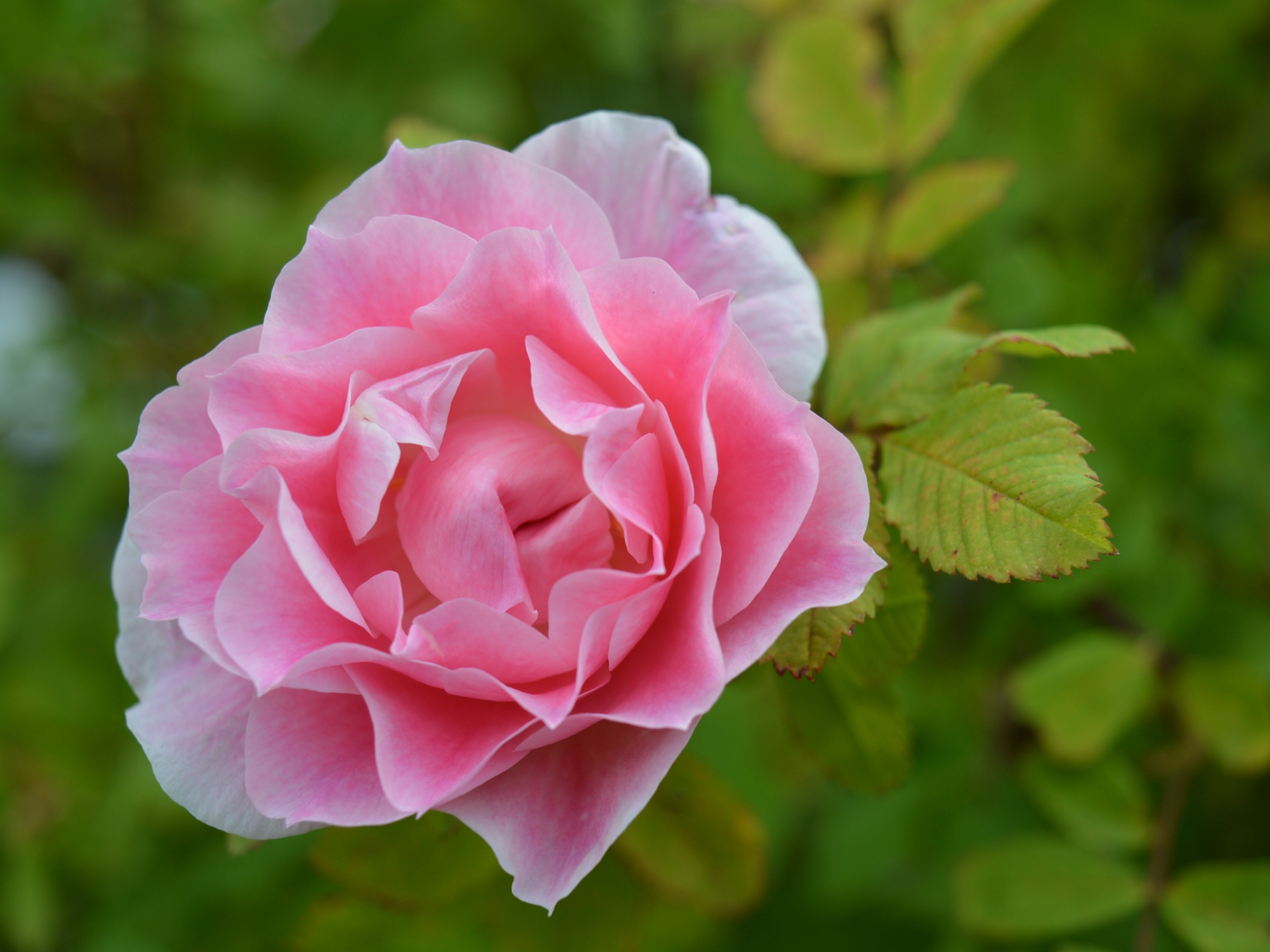
Rosa ‘Martin Frobisher,’ the first rose in Canada’s Explorer series, was developed through a federal breeding program that transformed gardening in northern climates.
In honour of National Public Service Week, we present a series of discoveries, innovations and achievements made possible by public servants on the job. Public servants work hard every day in the service of Canadians, and these stories illustrate some of the particularly exceptional work they’ve done to tackle some of humanity’s biggest challenges. From medical breakthroughs to bold, creative problem-solving, we take a look at the talent, skill and gumption they exhibited to get the job done.
In The Two Noble Kinsmen, William Shakespeare wrote, “Of all flowers, methinks a rose is best.” Had he lived to see the development of Canada’s own Explorer roses, The Bard would have really raved.
The Explorer series is a set of 25 hardy rose varieties developed over many years at Agriculture and Agri-Food Canada. They require minimal care and spraying and can overwinter in frigid temperatures under the right conditions. Even better, they flower throughout the summer and need little pruning. In short, they’re a Canadian gardener’s dream come true.
These rose varieties are the result of the establishment of experimental farms across the country beginning in 1886. William Saunders, the first director of the Central Experimental Farm in Ottawa, began the project by crossing hardy rose varieties. A researcher named Isabella Preston continued the project between 1920 and 1940. It paused after she moved on, until Felicitas Svejda took up the hoe and came up with what is now known as the Explorer series.
Born in Vienna, Svejda completed her PhD in agricultural science in 1948 and emigrated to Canada in 1953, at which time she joined the department. She first worked as a statistician in the cereal division, and, in 1961, joined the ornamental plant breeding division, at which point she began studying roses. She retired in 1985 and lived until 2016, dying at the age of 95 of complications from Alzheimer’s disease.
Svejda took roses from earlier experiments and crossed them with newly developed varieties from Europe and ended up with what we now know as the Explorer series, so named because she named the individual new varieties after explorers, explaining that she hoped the roses would be as hardy as the explorers had been.
Among the namesakes of the roses are French explorer Samuel de Champlain, who is known for mapping parts of northeastern North America and founding the first settlement of Quebec City in 1608. There’s also the ‘Alexander Mackenzie’ rose, a Scottish explorer who followed the Mackenzie River to the Arctic Ocean in 1789, and John Franklin, an English explorer who made three trips to the Arctic in search of the Northwest Passage. He and his crew mapped hundreds of kilometres of new coastline on their voyages. Martin Frobisher, William Baffin and John Cabot are among the others.
Explorer roses are now famous Canadian exports — up there with Canada Goose coats and Tim Hortons coffee — and they are planted in cooler climates the world over.
“The results of this ambitious program have forever changed northern rose gardens,” writes the Canadian Rose Society on its website.